

Communication is a human right.
Therapy as unique as you.
Each person brings unique strengths, interests, needs, and ways of connecting with the world. Speech-language therapy should honor those differences.
I build therapy around the individual—not around a diagnosis, test score, or standardized program. Together, we focus on communication that is meaningful, practical, and relevant to everyday life.


Connection comes first.
Before we can teach, practice, or build new skills, we have to connect.
Meaningful therapy begins with trust, curiosity, and engagement. I take time to discover what captures each person’s interest, what brings them joy, and what helps them feel comfortable communicating.
Connection is where skilled speech therapy begins.
how I can help
How I can help.
Speech-language therapy for children, teens, and young adults across a wide range of communication needs.
Language & Learning
Receptive and expressive language, vocabulary, comprehension, literacy, social communication, and the skills that support learning and relationships.
Speech & Fluency
Speech sound production, articulation, intelligibility, and support for individuals who stutter, with therapy focused on clear, confident, and effective communication.
Developmental & Complex Communication
Functional communication, AAC, and individualized support for neurodivergent people and those with developmental or intellectual disabilities.
Bilingual Services
Speech-language services in English and Spanish, with careful consideration of bilingual development and the difference between language difference and disorder.
Play is learning.
To a child, it may look like we’re playing. And we are.
But play is also where children experiment, solve problems, connect with others, take turns, imagine, negotiate, and communicate.
Skilled speech therapy builds on those moments intentionally—creating opportunities for language and communication while preserving the joy, curiosity, and connection that make play so powerful.
The best learning doesn’t always look like work.


Communication for real life.
Communication changes as we grow. For teens and young adults, it can mean navigating friendships, conversations, school, work, self-advocacy, and increasing independence.
Speech therapy can support social communication, navigating different perspectives, problem-solving, and the ability to express needs, ideas, and boundaries.
Social communication is about helping people connect with others while staying true to who they are.
Communication begins long before words.

A look. A gesture. Reaching. Pointing. A sound. A facial expression. Moving toward something—or away from it.
These are the seeds of communication. 🌱
Skilled speech therapy begins by recognizing the ways a person is already attempting to communicate and building from there.
For emerging communicators, that may include gestures, signs, pictures, sounds, words, or an Augmentative and Alternative Communication (AAC) system.
There is no “right” way to communicate. The goal of speech therapy is to expand the ways each person can express what they think, feel, need, and want to share.
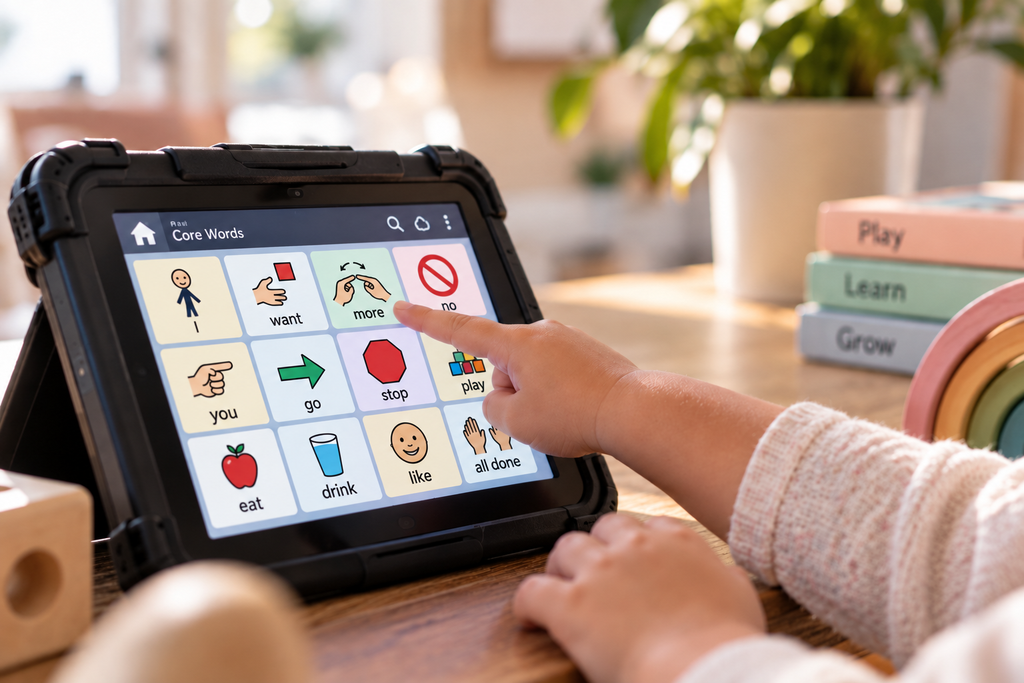
Words are one way to communicate. They are not the only way.

Bilingualism is a strength.
I provide speech-language therapy in both English and Spanish.
Children do not become confused because they hear or use more than one language. Bilingualism does not cause language disorders.
Skilled speech therapy considers the whole communicator and all the languages they use. Understanding how languages develop and interact is essential when distinguishing a language difference from a language disorder.
I work with families to support communication in the languages that are meaningful in their everyday lives.
Families should never have to choose between supporting communication and preserving the languages that connect them.
Understanding school speech therapy and IEPs.
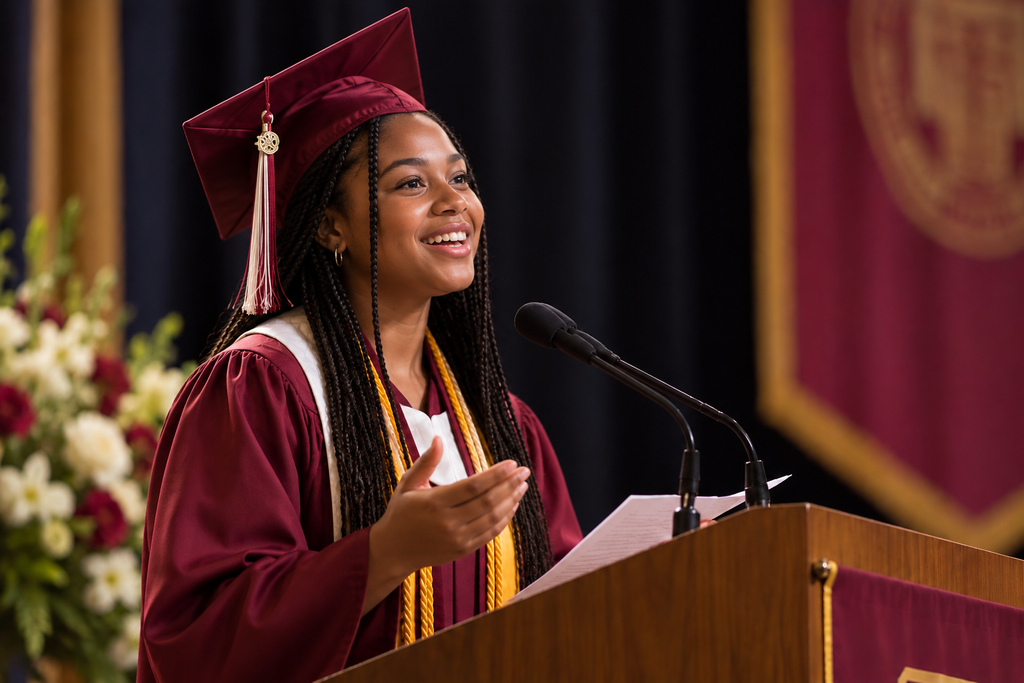
School-based speech-language services can be confusing. An educational eligibility is not the same as a medical diagnosis, and qualifying for speech therapy at school depends on more than the presence of a speech or language disorder.
I’ve spent more than a decade working in public schools and understand IEPs, special education services, accommodations, educational impact, and the role of the school-based speech-language pathologist.
My experience in the schools also shapes my work with families. I can help parents better understand how school and private speech therapy differ—and how they can work together to support a student.
Families deserve to understand the services and supports their children receive.
Meet Suzanne.
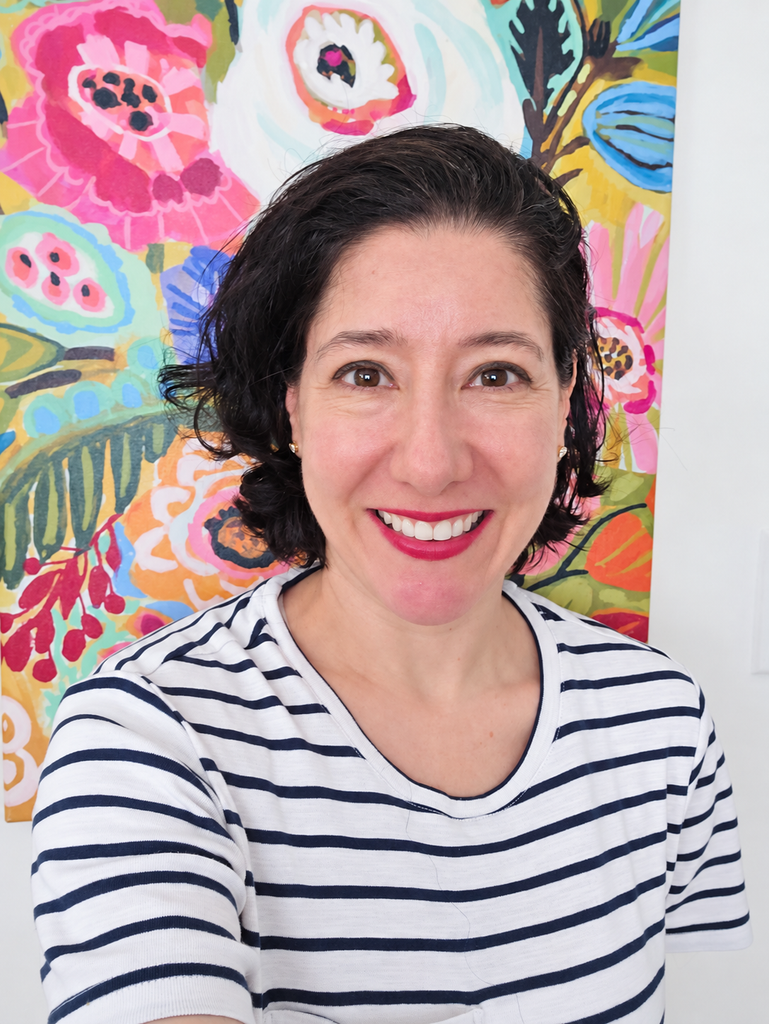
I’m Suzanne Harrawood, M.A., M.S., CCC-SLP, an ASHA-certified and Florida-licensed speech-language pathologist providing services in English and Spanish.
I’ve spent more than a decade working with children, teens, and young adults across public schools, private practice, and teletherapy.
I believe skilled speech therapy begins with listening—to the individual, to families, and to the people who know them best.
Let’s talk.
Every communication journey is different. If you’re wondering whether speech-language therapy might be a good fit for you or someone you love, I’d be happy to hear from you.
I work in English and Spanish, in person in South Florida and virtually throughout Florida.